Residential Mortgages
Whether you’re buying your first home, refinancing, or simply exploring your options, speaking with a finance broker can help you understand what’s possible.
What Is a Home Loan?
A home loan, also known as a residential mortgage, is a loan provided by a bank or lender to help individuals purchase or refinance a residential property.
Rather than paying the full purchase price upfront, the borrower contributes a deposit and borrows the remaining amount from the lender. The loan is then repaid over an agreed term—most commonly up to 30 years.
The property itself is used as security for the loan. This means that if repayments are not maintained, the lender may recover the outstanding debt through the sale of the property. Because the loan is secured by real estate, home loans typically have lower interest rates than unsecured forms of credit.


When reviewing a home loan application, lenders consider several factors, including:
Income and employment stability
Living expenses
Existing debts and liabilities
Credit history
The value and suitability of the property
Responsible lending laws in Australia require lenders to ensure the loan is appropriate for the borrower and that repayments can reasonably be met.
How Lenders Assess Your Application
How Home Loan Repayments Work
Home loans generally consist of two main components: principal and interest.
Principal – the amount you borrow
Interest – the cost charged by the lender for borrowing that money
Most borrowers make regular repayments—usually monthly or fortnightly—which gradually reduce the loan balance over time.
Home loan interest rates can be fixed, variable, or a combination of both (known as a split loan).
Fixed rate loans provide certainty by locking in the interest rate for a set period, typically between one and five years.
Variable rate loans can rise or fall depending on market conditions and changes to the Reserve Bank of Australia’s cash rate.
While fixed rate loans provide certainty by looking in interest rates, variable loans can often include additional features such as offset accounts and redraw facilities, which may help reduce the interest paid over the life of the loan.
Fixed and Variable Interest Rates
Lenders Mortgage Insurance (LMI)
If the deposit is less than 20% of the property’s value, borrowers may need to pay Lenders Mortgage Insurance (LMI).
LMI protects the lender—not the borrower—in the event the borrower is unable to meet their loan repayments. While it adds to the upfront cost of buying a property, it can allow buyers to enter the property market sooner with a smaller deposit.
Most lenders require a deposit when purchasing a property, typically between 5% and 20% of the property’s value.
The size of the deposit determines the Loan to Value Ratio (LVR), which represents the percentage of the property’s value that is borrowed. A lower LVR generally means lower risk for the lender and may provide access to more favourable loan options.
Deposits and Loan to Value Ratio (LVR)
Additional Services
Refinance
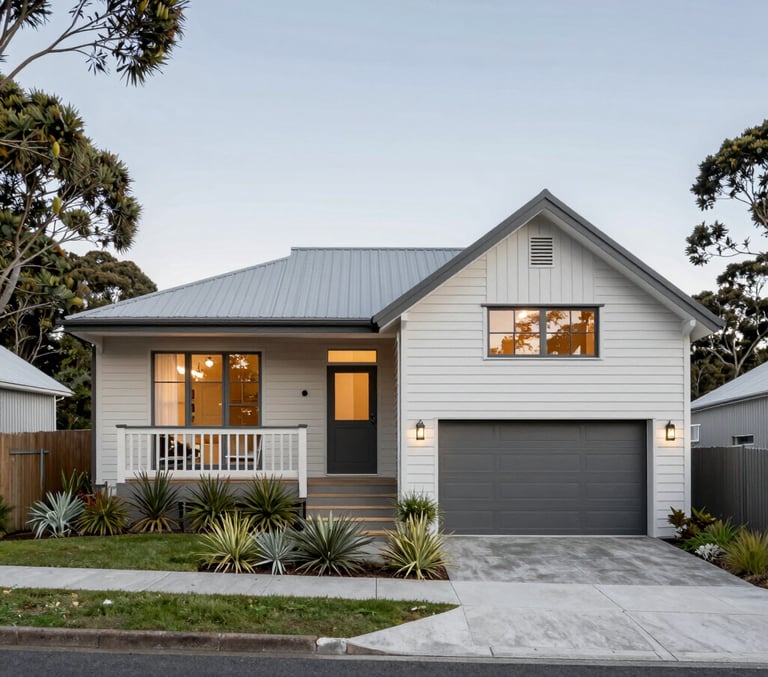
Reduce costs, access equity, or secure a loan that better suits your current needs.

Investment Property


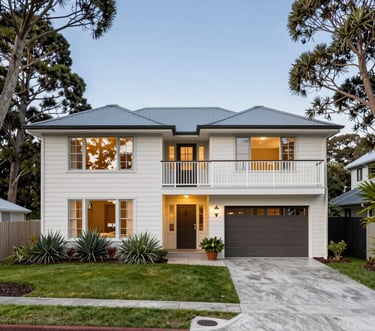


Construction Loans
Bridging Loans
Reverse Mortgages
SMSF Lending
Investment property finance works differently from owner-occupied home loans.
Looking to build your dream home?
A home loan for older homeowners that unlocks your property’s equity
Why wait? Secure your new home before your current one sells.
With an SMSF loan, your super fund can finance the purchase of property.